Comparing the leisure activities of the French amounts to measuring a silent shift. For several years, the way free time is structured has changed: fewer clubs, more autonomy, and an increasing emphasis on accessible outdoor activities. This article analyzes the gaps between traditional practices and recent trends to identify the activities that offer the best return in satisfaction, spending, and regularity.
Autonomous practice versus club practice: the gaps that matter
The National Sports Practices Barometer 2025 (INJEP/CRÉDOC) documents a fundamental movement. The share of club participation has decreased from about 24% to 20% of practitioners between 2018 and 2025. In parallel, participation in commercial structures (gyms, studios) and especially in autonomy is clearly on the rise.
This decline in the associative model does not mean that the French are moving less. Regular sports practice, at least once a week, has been continuously increasing since 2018. It is mostly done outside of structures and in the open air.
| Mode of practice | Trend 2018-2025 | Typical cost | Time flexibility |
|---|---|---|---|
| Club or association | Declining (from 24% to 20%) | Annual membership fee | Fixed slots |
| Commercial structure (gym, studio) | Increasing | Monthly subscription | Wide time slots |
| Autonomy (outdoor, home) | Strongly increasing | Low to none | Total |
The table highlights a logical trade-off: autonomous activities combine low cost and freedom of organization. For those looking to enjoy their leisure without scheduling constraints, walking, running, or cycling meet both criteria simultaneously.
It is possible to access the leisure section of Blospot to explore activity ideas categorized by format and interest, allowing for a quick targeting of a practice suited to one’s pace.
Walking, running, cycling: why these outdoor activities dominate leisure in France
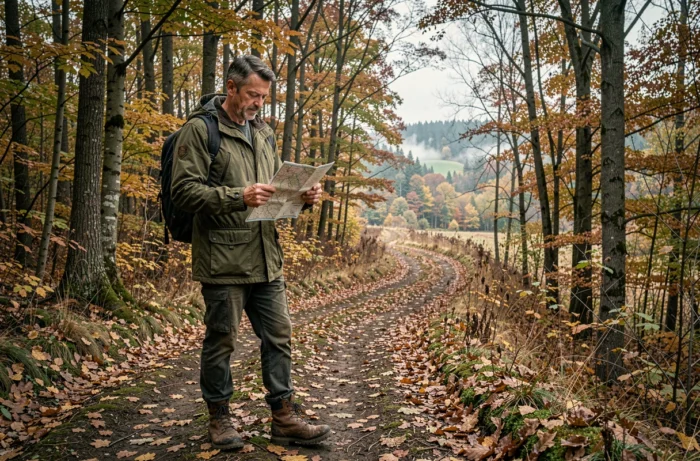
According to the same INJEP/CRÉDOC 2025 barometer, walking and hiking are at the top of the French sports practices. Running and cycling complete the podium. These three disciplines share a common point: they require no registration, no expensive equipment, and no travel to a dedicated facility.
This dominance is not trivial. It reflects a preference for leisure that can be adjusted according to the season, the weather, and the available time in the day. A working person with 45 minutes during the week can run. A parent on vacation with children can hike. A retiree can walk every morning in their garden or a municipal park.
What these activities provide compared to sedentary leisure
The most widespread leisure activities in France remain listening to music, watching films and series, and browsing the internet. These practices occupy a massive share of free time but do not generate the same effects on overall balance.
Outdoor physical activities combine three dimensions:
- A direct effect on stress regulation, documented by the release of endorphins during moderate effort
- Almost no cost, making them accessible regardless of budget constraints, a determining factor when considering that financial reasons hinder a significant portion of the French in their leisure
- Total adaptability: feasible alone, with family, with friends, on vacation, or in daily life
In contrast, digital leisure (streaming, video games, social media) offers unbeatable ease of access and meets an immediate need for relaxation that sports do not always cover.
Creative and cultural leisure: evolving practices
Cultural activities are no longer limited to visiting museums or reading. French libraries are experiencing a resurgence in attendance thanks to extended hours, digital services, and an offering that goes beyond simple book lending. This phenomenon, noted by several recent sources, reflects a repositioning of public cultural facilities towards versatile leisure spaces.
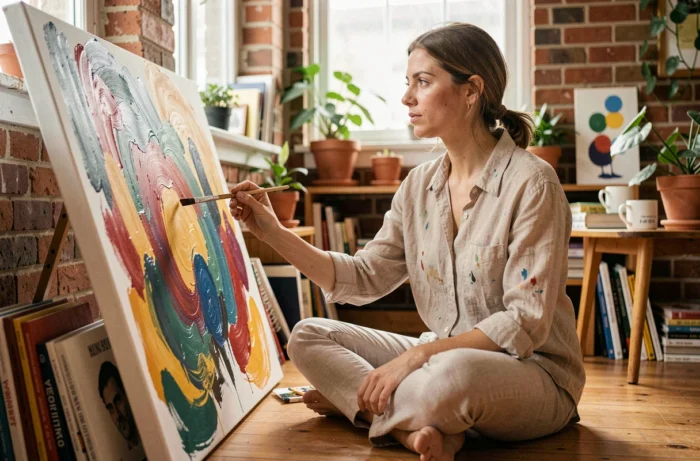
On the creative leisure side at home, the post-pandemic trend has taken hold permanently. Cooking, gardening, and crafts are among the most cited domestic activities when asking the French about their hobbies. These practices work particularly well with family, with children, and do not depend on the season or vacation budget.
Shows and outings: the social factor
Concerts, festivals, and live performances hold a special place. Their value lies less in regularity than in the intensity of the experience. Going out with friends to attend a show generates a type of satisfaction distinct from daily leisure: it is a social marker, an event that structures the calendar.
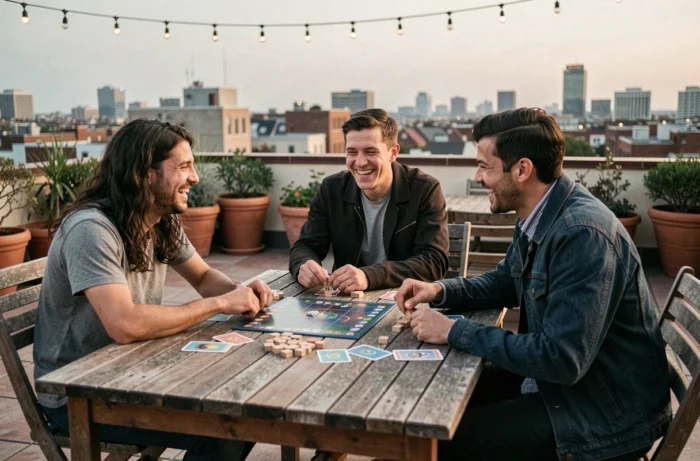
Cultural outings and collective games fulfill a role that solitary leisure does not cover: active social connection. Board games, escape rooms, amusement parks operate on this same lever.
Building a balance between active and passive leisure
The data from the INJEP/CRÉDOC 2025 barometer outlines a typical profile. The French person who makes the most of their free time combines regular autonomous physical activity with occasional social leisure. Daily walking coexists with a monthly show outing. Weekend gardening alternates with a family game session.
The challenge is not to rank activities but to identify those that truly fit into a typical day. An ideal leisure activity on paper but incompatible with time or financial constraints will never be practiced.
- Identify a physical activity that can be done in less than 30 minutes, without travel, at least three times a week
- Plan a social outing (show, games with friends, visit) at least twice a month to maintain collective ties
- Keep a creative or cultural domestic leisure activity (reading, cooking, gardening) as an adjustment variable on low-energy days
The most telling data remains this: autonomous outdoor sports practice has been increasing every year since 2018, making it the strongest underlying trend in leisure in France. The most sustainable activities are those that require the least prior organization.