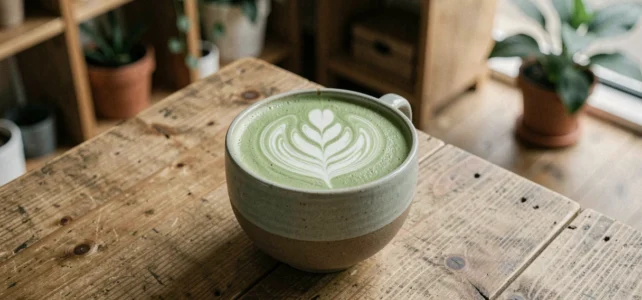
The matcha latte is not just green tea diluted in milk. It is a complete suspension of ground Camellia sinensis leaves, consumed in their entirety. This distinction radically changes the nutritional profile compared to a traditional infusion, where most compounds remain trapped in the discarded leaf after steeping. Understanding this mechanism is the starting point for evaluating the true health benefits of this drink.
Ceremonial or culinary matcha: the quality gap that alters the benefits
Not all matcha lattes are created equal. The grade of the powder used directly determines the levels of L-theanine, caffeine, and catechins. Ceremonial matcha, sourced from leaves shaded longer before harvest, concentrates more L-theanine and chlorophyll than culinary matcha intended for baking.
Popular articles claim that “matcha is good for health” without specifying dosage or quality. In practice, a low-grade culinary matcha in a sweet latte offers a very different nutritional profile than a carefully prepared ceremonial matcha. The amount of powder per cup also varies: between half a teaspoon and two teaspoons, the caffeine profile changes dramatically.
We recommend checking the geographical origin (Uji, Nishio, Kagoshima for the most reputable Japanese sources) and favoring a powder with a bright green color, indicating a high chlorophyll content. A yellowish or dull powder betrays advanced oxidation and a loss of active compounds.
To delve deeper into the topic, all articles on the benefits of matcha latte detail these quality parameters and their concrete implications for well-being.
L-theanine and caffeine in matcha latte: a pharmacological duo distinct from coffee
The caffeine in matcha does not act alone. L-theanine modulates the stimulating effect of caffeine by promoting the production of alpha brain waves, associated with a calm state of alertness. This mechanism explains why the stimulation felt after a matcha latte is more sustained and less harsh than after an espresso.
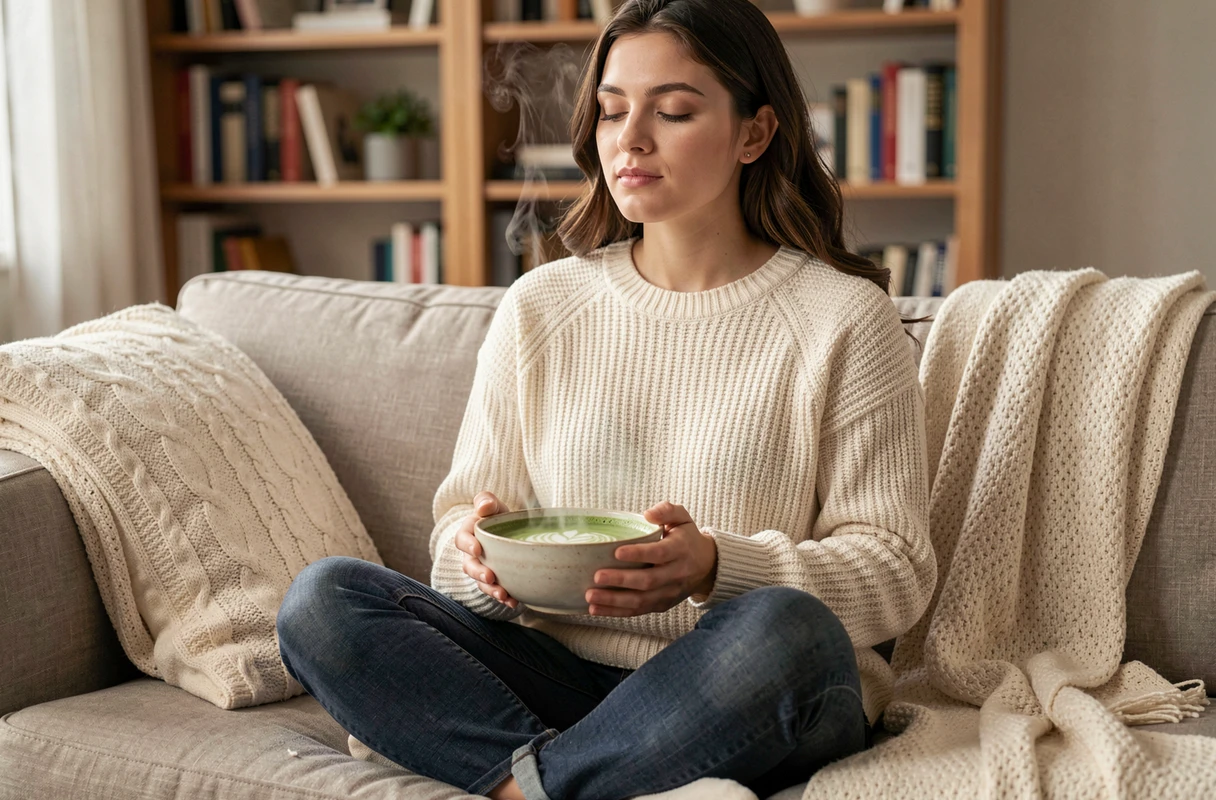
Coffee causes a rapid spike in caffeine followed by a crash. Matcha, thanks to L-theanine, spreads absorption and prolongs the concentration effect without the characteristic nervousness. Recent content positions matcha more as a mental performance drink than just an antioxidant.
This caffeine-theanine duo makes matcha latte relevant for those sensitive to coffee but seeking daily cognitive support. The milky texture of the latte (plant-based or animal) further slows absorption, reinforcing the plateau effect.
Choice of milk and impact on catechin absorption
The type of milk is not trivial. Cow’s milk proteins can bind to catechins, particularly EGCG (epigallocatechin gallate), potentially reducing their bioavailability. Plant-based milks (rice-coconut, oat, almond) pose less of this protein binding issue.
We observe that oat milk, thanks to its creamy texture and taste neutrality, has become the standard in specialty coffee shops. This choice is not only about taste: it better preserves the antioxidant profile of the drink.
Matcha antioxidants: what consuming the powder really changes
Matcha contains catechins in significantly higher concentrations than other green teas, precisely because the whole leaf is ingested. EGCG, the most studied catechin, is a powerful antioxidant that combats free radicals responsible for cellular aging and oxidative stress.
The antioxidants in matcha strengthen the immune system and contribute to cellular protection. Chlorophyll, abundant due to the shading of the plants, aids in the gentle detoxification of the body. These two families of compounds act in synergy.
The latte format does not diminish these virtues, provided two parameters are respected:
- Use a ceremonial grade or at least premium powder, stored away from light and moisture to avoid catechin oxidation
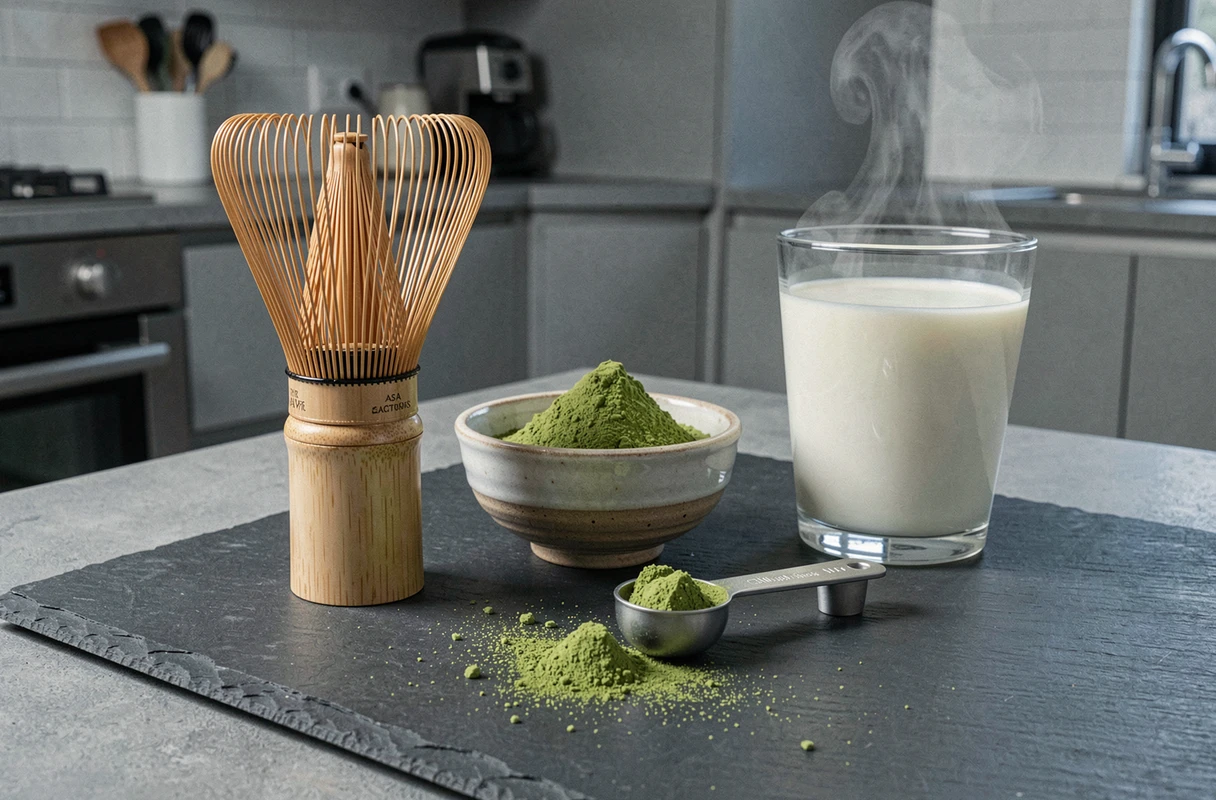
- Prepare the powder with moderately warm water (around 80 °C) before adding milk, as boiling water destroys some sensitive compounds
- Whisk vigorously with a chasen (bamboo whisk) or electric frother to achieve a homogeneous suspension, ensuring better assimilation
Side effects of matcha latte: the rarely mentioned limits
“Benefits” pages almost systematically overlook the risks associated with excessive consumption. Digestive issues, insomnia, and nervousness can occur beyond two to three cups daily, depending on the powder concentration per cup.
The most underestimated point concerns liver risk. Overconsumption of concentrated catechins (notably through matcha dietary supplements, but also from highly dosed lattes) can stress the liver. This risk remains marginal with reasonable consumption, but it deserves to be known.
Some practical guidelines for safe consumption:
- Limit consumption to two matcha lattes per day, spacing them out
- Avoid matcha latte in the late afternoon if you are sensitive to caffeine, as theanine does not eliminate the stimulating effect, it modulates it
- Pregnant women and those undergoing liver treatment should consult a healthcare professional before incorporating it into their daily routine
Weight loss and matcha latte: what the green powder can really offer
Matcha is often presented as a weight loss ally. The reality is more nuanced. Catechins and caffeine promote thermogenesis, meaning energy expenditure at rest. But this effect remains modest and does not replace either a caloric deficit or regular physical activity.
The real weight loss advantage of matcha latte is replacing more caloric beverages (frappuccinos, sodas, industrial juices) with a low-calorie density drink when prepared without added sugar. An unsweetened oat milk matcha latte is an interesting functional alternative for those looking to reduce their intake of free sugars.
The common pitfall: versions offered in chain restaurants, often enriched with vanilla syrup or sugar, which negate the nutritional interest. Checking the composition or making your own latte remains the best guarantee.
Matcha latte, properly dosed and prepared with quality powder, offers a nutritional profile that few daily drinks can match. Its limits exist and deserve as much attention as its virtues. The difference between a health ritual and a mere trend lies in the choice of powder and the rigor of preparation.