Choosing a bag for everyday use involves balancing conflicting constraints: capacity versus bulk, lightness versus shape retention, versatility versus visual identity. Rather than listing types of bags, this article compares the technical criteria that distinguish a good travel companion from a disappointing purchase.
Empty Weight and Shape Retention: Criteria Often Overlooked in Product Descriptions
Most bag descriptions detail the exterior dimensions and material. However, two crucial pieces of information are often missing: empty weight and base rigidity.
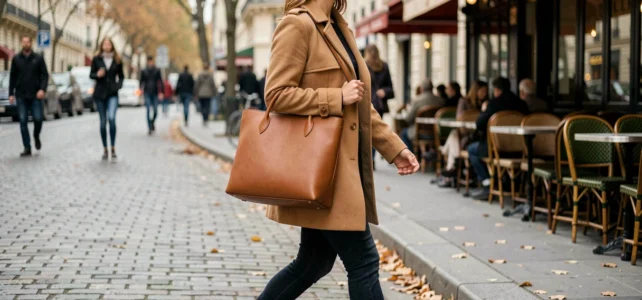
A soft bag made of lightweight fabric may look appealing in the store. After a few weeks of use, it collapses under the weight of its contents, loses its shape, and forces you to dig around to find your belongings. Feedback from users is consistent: a rigid or semi-rigid bottom prevents this phenomenon and extends the bag’s lifespan.
Empty weight is as important as capacity. A thick leather tote can weigh enough that, once loaded, carrying it on your shoulder becomes uncomfortable by the end of the day. The catalogs available on https://www.mysac.fr/ allow you to compare these parameters before purchase, avoiding unpleasant surprises.
| Technical Criterion | Soft Bag (canvas, fabric) | Structured Bag (leather, rigid base) |
|---|---|---|
| Shape Retention After Loading | Poor, collapses quickly | Good, retains its shape |
| Empty Weight | Light | Heavier |
| Access to Contents | Difficult (soft bottom) | Easy (stable compartments) |
| Perceived Durability | Average | High |
| Maintenance | Washable, low maintenance | Requires regular care |
This table shows a clear compromise. The soft bag wins in lightness, while the structured bag excels in prolonged daily use. The choice depends on the weight you carry every day, not on current trends.

Laptop Compartment and Internal Organization: The Real Test of an Everyday Bag
Transporting a laptop has become a common need, even for those who do not work in an office. Online courses, freelancers in cafés, client meetings: the everyday bag often needs to accommodate a fragile device.
A dedicated and padded compartment makes a radical difference. Without it, the laptop rests against keys, a water bottle, and a wallet. Repeated shocks during transport can eventually damage the chassis or screen.
Beyond the laptop, internal organization determines how quickly you can access everyday items. Three elements make a difference:
- An exterior pocket accessible without opening the bag, for a phone or transport ticket
- A separate zipped compartment for valuables (wallet, documents)
- A main space deep enough to hold a water bottle or umbrella without them sticking out
Removable organizers (pouches to slip into the bag) provide a solution for models lacking internal structure. They allow for switching between bags without having to reorganize everything, which is ideal for those who alternate between different formats depending on the day.
Convertible Bag: Hybrid Format for Split Days
Days no longer follow a single office-home pattern. Between coworking, the gym, and an impromptu dinner, the bag sometimes needs to change its role without going through the locker room.
Convertible bags meet this specific need. A model carried as a tote in the morning can transform into a shoulder bag for the evening commute. Some include retractable handles or removable straps that change the carrying style and overall look.
This modularity comes at the cost of complexity. The more configurations a bag offers, the more its attachment points (carabiners, loops, zippers) are used. The quality of these elements deserves special attention: a fragile carabiner that breaks after a few months renders the bag unusable in its secondary format.
Capacity and Formats: Concrete Guidelines
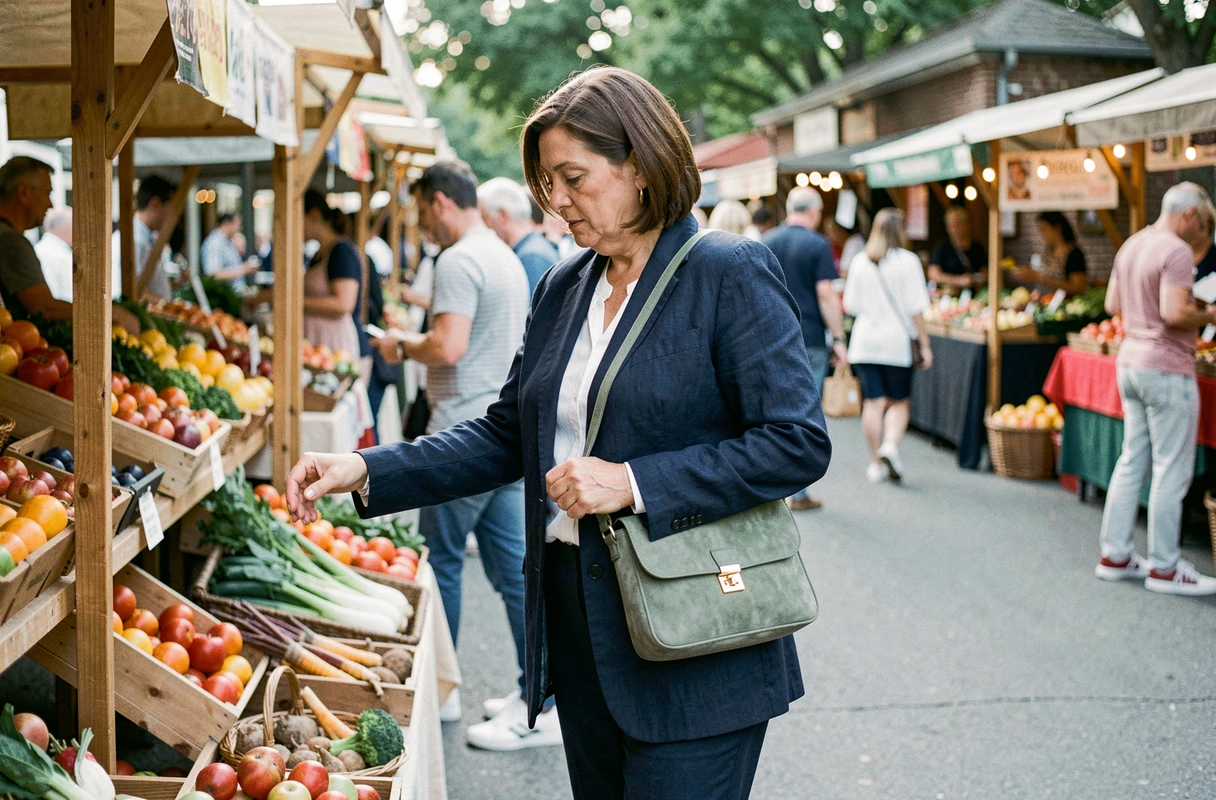
The capacity of a bag is measured in liters, but this figure remains abstract without a point of comparison. A small shoulder bag offers just enough space for a wallet, a phone, and keys. A medium tote can additionally accommodate a laptop and a pencil case. A large weekend format can hold a complete change of clothes.
A common pitfall is choosing a size that is too large “just in case.” An oversized bag encourages overpacking, which increases the weight and accelerates wear on the handles. It’s better to calibrate the capacity based on the actual contents of a typical day, then add a reasonable margin.
Bag Material and Durability: Leather, Canvas, Synthetic
The choice of material affects aesthetics, weight, and longevity. Three main categories dominate the everyday bag market.
- Full-grain leather offers a patina that improves over time but requires regular maintenance (nourishing cream, moisture protection) and is the heaviest material
- Thick canvas (coated cotton, canvas) withstands abrasion well, cleans easily, and is lightweight, but offers less structure than rigid leather
- Technical synthetic materials (ballistic nylon, recycled polyester) combine lightness and water resistance, but their appearance ages less well and their feel is less pleasant
Leather remains the reference choice for a bag intended to last several years, provided you accept its weight and maintenance. Canvas is better suited for intensive use where the bag faces frequent constraints (crowded transport, changing weather).
The most suitable material is the one that matches your actual usage conditions, not the one that looks most appealing in the display window. A light-colored leather bag used daily in the rain will lose its charm much faster than a coated canvas designed for that purpose.
Choosing an everyday bag boils down to a handful of technical criteria often overlooked in favor of appearance. Shape retention, empty weight, quality of internal organization, and material durability under real usage conditions form the foundation of a sustainable purchase. A bag that meets these technical conditions will naturally fit into your style.