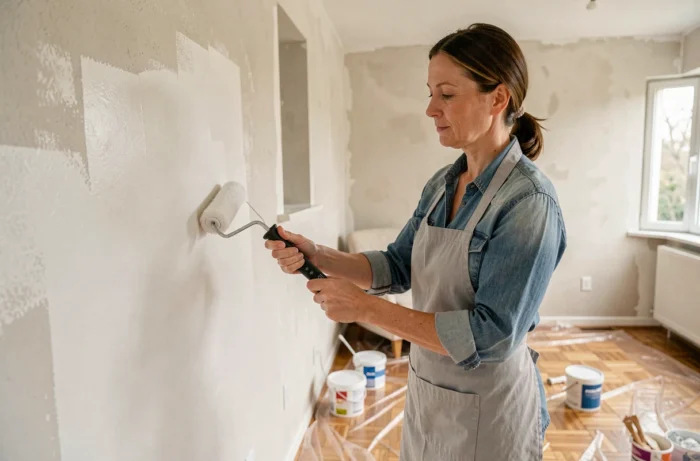
A dripping faucet, paint peeling near a window, a persistent smell in the kitchen after cooking: these small everyday signals often reveal an easy-to-fix maintenance issue. Maintaining your home is not limited to weekly cleaning. It also involves monitoring the condition of your equipment, choosing the right products, and anticipating deterioration before it becomes costly.
Indoor air quality: the point most guides overlook
Have you ever noticed that the air feels heavier in winter, with the windows closed? It’s not just an impression. Indoor air contains more pollutants than outdoor air, especially in poorly ventilated homes.
Controlled mechanical ventilation (CMV) plays a central role. Checking its extraction vents once a quarter takes just a few minutes. Simply remove the grille, clean it with soapy water, and ensure that the suction works by bringing a piece of paper close.
A clogged CMV loses a significant part of its extraction capacity. The consequences are tangible: excessive humidity, mold in the bathroom, condensation on windows. In new buildings, the RE2020 regulation now mandates compliance checks for ventilation, highlighting the importance that public authorities place on this issue.
Additionally, ventilate each room for about ten minutes a day, even in winter. This simple action renews the air without cooling the walls. Households with asthmatic individuals or young children should pay particular attention to this. By consulting home advice on Maisonea, you will find additional tips to adapt your maintenance routine to your type of housing.
Household cleaning products: read the labels above all
Since 2026, Regulation (EU) 2026/405 on detergents has strengthened labeling requirements. Manufacturers must display an expanded list of fragrance allergens and mention preservatives as soon as their concentration exceeds 0.00015% by weight in the final formulation.
What does this mean for you? Take your usual multi-purpose cleaner. Turn the bottle over. You will now find more precise information about sensitizing substances.
Three reflexes for choosing suitable products
- Prefer products with a European eco-label or a recognized certification, which guarantee a limited threshold of irritating substances.
- Reduce the number of products stored under the sink. A multi-purpose cleaner, white vinegar, and baking soda cover most common needs in the kitchen and bathroom.
- Avoid mixing products, especially bleach and vinegar, which produce a toxic gas (chlorine gas).
Fewer different products mean less risk of allergy and lower expenses. A bottle of white vinegar is very inexpensive and replaces descaler, window cleaner, and drain deodorizer.
Furniture and surface maintenance: adapt the action to the material
A fabric sofa is not cleaned the same way as a leather sofa. A solid wood table cannot withstand the same products as a laminate countertop. This obvious fact is often the source of frequent damage.
Wood, leather, fabrics: common mistakes
On waxed wood, a damp cloth is enough for regular dusting. Silicone-based products, often sold as “polishes,” create a film that eventually suffocates the wood and dulls its surface.
For a fabric sofa, vacuuming the cushions weekly prevents dust mites from settling in permanently. In case of a stain, dab without rubbing, using a mixture of warm water and Marseille soap. Rubbing spreads the stain and damages the fibers.
Leather requires different attention. A specific cleaning milk, applied every two to three months, preserves its flexibility. Cracked leather is almost always leather that has not been nourished.

Small daily repairs: act early to spend less
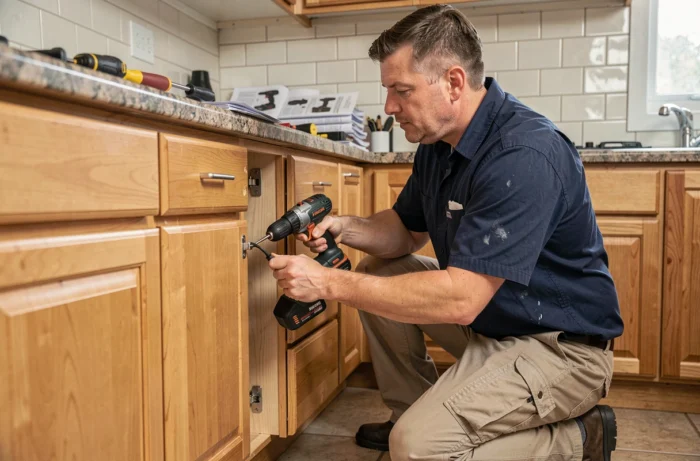
A blackened silicone seal in the shower, a flickering switch, a gutter clogged with leaves: these micro-problems seem trivial. When postponed month after month, they become costly repairs.
Replacing a silicone seal takes half an hour with a cutter, a caulking gun, and a tube of sanitary silicone. Allowing mold to spread behind the seal can lead to having to redo the tiling.
Useful seasonal checklists
- Before winter: bleed the radiators, check the seals on the windows, clean the gutters.
- In spring: check the facade seals, inspect the roof after bad weather, maintain the garden (trimming, weeding the edges).
- All year round: test smoke detectors, check the boiler pressure, monitor for signs of moisture on the walls.
Regular preventive maintenance always costs less than emergency repairs. Keeping a small notebook (paper or digital) with the dates of each intervention helps to remember everything.
Some checks are subject to legal obligations. Smoke detectors are mandatory in all homes. Ventilation is subject to enhanced checks in new buildings. Complying with these regulations protects both your family and your property.
Maintaining your home daily is ultimately an accumulation of short actions, repeated at the right time. A seal replaced in March, a cleaned CMV in September, a sofa vacuumed every Sunday. None of these actions takes more than fifteen minutes, but their cumulative effect preserves the comfort of the home for years.