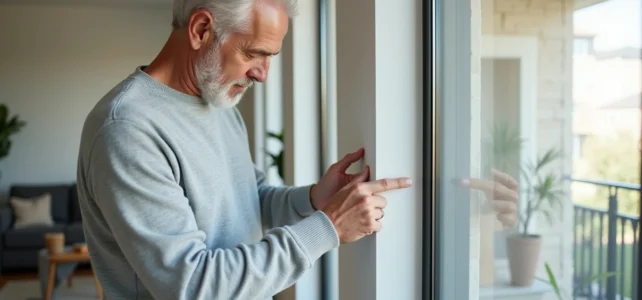
You run your hand along the frame of your window and feel a draft of fresh air in the middle of winter. The heating is on, the bill is rising, and comfort remains mediocre. Before embarking on renovations, the first step is to check if your windows meet current glazing requirements. You don’t need to be a technician to carry out a few simple checks at home.
Uw coefficient and solar factor: the two values that really matter
Competitors focus on the visual distinction between single and double glazing. It’s a good start, but it’s not enough to determine if a window meets the performance expected by regulations.
Two technical indicators summarize the thermal quality of a window. The first, the Uw coefficient, measures the heat transfer through the entire window (glazing plus frame). The lower this value, the better the insulation. The second, the solar factor g, indicates what proportion of solar heat passes through the glazing. A high solar factor lets in a lot of heat in summer, which can be problematic in south or west-facing rooms.
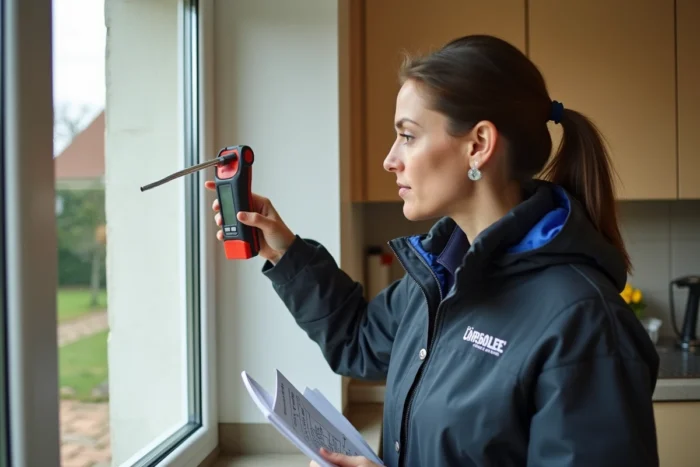
To find out these values for your windows, first look at the visible metal spacer on the edge of the glazing. Sometimes there is an inscription or a certification logo. If the window is less than fifteen years old, the original quote or invoice usually mentions the Uw. You can also contact the manufacturer with the product reference.
Understanding the regulations on mandatory double glazing helps you assess your windows against the required thermal performance thresholds, especially for rental purposes.
Visual test and flame test: check your glazing without tools
Don’t have access to the technical documents for your windows? Two simple methods can already help distinguish single glazing from double glazing, and then roughly assess the quality of the latter.
Observe the edge of the glazing
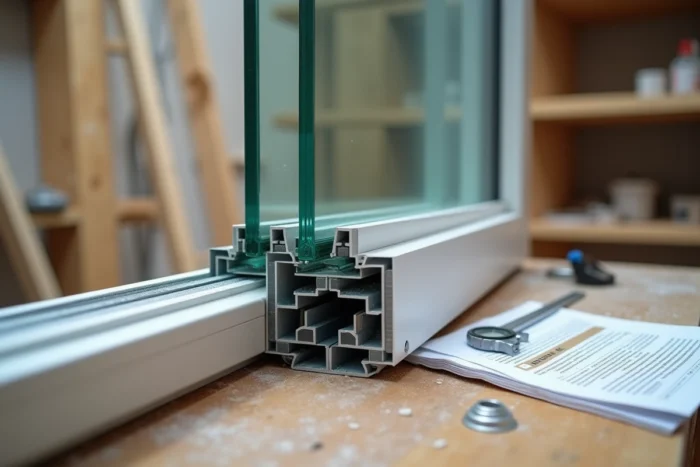
Stand to the side of the window and look at the thickness of the glass. A single pane of glass means single glazing. Two panes separated by a space (often filled with argon gas in recent models) indicate double glazing. If you see three panes, it’s triple glazing.
The lighter test
Bring the flame of a lighter or match close to the glazing, on the inside. You will see several reflections of the flame in the glass. On a standard double glazing, four reflections appear (two per glass pane). If one of the interior reflections has a different hue from the others (often purple or bluish), it indicates the presence of a low-emissivity coating, a sign of enhanced insulating glazing.
These two tests give you a preliminary diagnosis. Double glazing where all reflections are identical and colorless probably dates from before the 2000s and offers significantly lower insulation than current models.
EPC and energy performance of the home: where do your windows stand
The energy performance diagnosis (EPC) of your home takes into account the condition of the windows. A home rated F or G is considered a thermal sieve, and single-glazed windows significantly contribute to this poor rating.
As of January 1, 2025, homes rated G can no longer be offered for rent. Homes rated F will follow. If you are a landlord and your EPC mentions single-glazed windows, replacing them with high-performance double glazing becomes a priority to keep your property on the rental market.
Do you already have double glazing but your EPC remains mediocre? Glazing is just one link in the thermal envelope. Several renovation professionals recommend addressing the attic, walls, and ventilation first before replacing windows. New double glazing in a poorly insulated wall will only marginally improve your energy rating.
Concrete signs that a double-glazed window needs to be replaced
Double glazing does not last forever. Over time, the seal between the two glass panes deteriorates, and the insulating gas escapes. Here are the signals that should alert you:
- Persistent fogging between the two panes (not on the inner or outer surface, but in the spacer). This phenomenon indicates a break in the airtight seal.
- Whitish marks or mineral deposits visible between the panes, impossible to clean since they are in the sealed space.
- A cold sensation when touching the inner side of the glazing, even when the heating is on, a sign that the insulating layer is no longer doing its job.
- Perceptible drafts at the frame level, which may indicate a problem with the seal or a deformation of the frame.
If you notice one or more of these signs, replacing just the glazing is sometimes possible without changing the window frame. This depends on the condition of the frame and its compatibility with thicker glazing.
Double glazing and summer comfort: often insufficient protection on its own
Installing double glazing improves winter insulation, but does not guarantee a cool home in summer. Effectiveness against heat heavily depends on external solar protections (shutters, sunshades, blinds) and nighttime ventilation.
Double glazing with a high solar factor, without external shutters, will allow a notable amount of heat to enter through radiation. If your goal includes summer comfort, ensure your windows are equipped with external protections and consider solar control glazing for the most exposed facades.
Replacing windows represents an investment. Before signing a quote, have a complete energy audit of your home conducted. This diagnosis prioritizes the work by effectiveness and prevents you from spending on windows when attic insulation would have a much greater impact on your bill and your EPC.