The animal world is going through a period of rapid changes. With evolving regulations, a pet market undergoing significant transformation, and biodiversity under climate pressure, there is no shortage of topics. Here are the animal trends and news that deserve your attention in 2026.
ESOD Species: A Regulatory Framework in Limbo
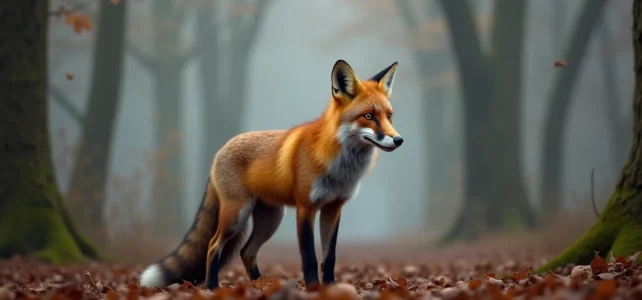
Have you heard of ESOD? This acronym stands for “Species Likely to Cause Damage.” Specifically, it refers to wild animals (certain mustelids, corvids, or foxes, for example) whose administrative destruction is authorized by ministerial decree to protect crops or livestock.
The current decree is set to expire on June 30, 2026. This date opens a sensitive debate: should the system be renewed as is, modified, or completely overhauled? On one side, agricultural interests push for maintenance. On the other, biodiversity protection associations call for a thorough revision.
The renewal of this decree conditions the management of wildlife for the coming years. To follow this issue and other substantive topics, the news on Univers Animaux regularly covers regulatory developments affecting the animal world.
What makes this topic particularly significant is that it lies at the exact intersection of animal protection and rural economic reality. No simple solution exists, and the next decree will set the tone for the coexistence of wildlife and human activities.
Pets in France: The End of Post-Covid Growth
After the peak of adoptions linked to lockdowns, the pet market is entering a new phase. The 2026 barometer of animal identification (national I-CAD file) reveals a 3.3% decline in pet registrations in 2025 compared to 2024.
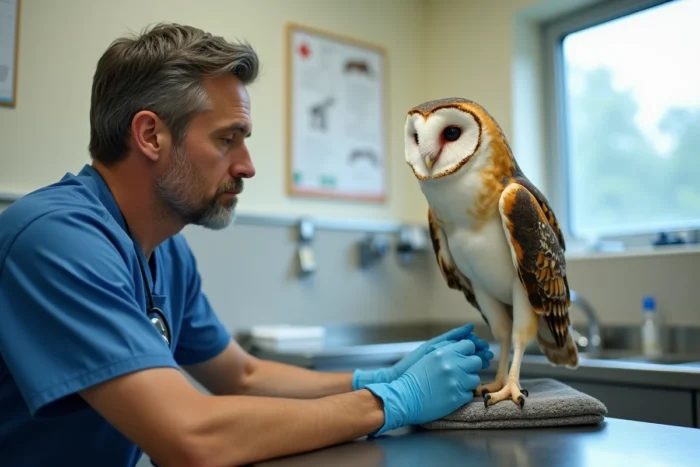
This figure reflects a change in behavior. Impulsive adoptions are decreasing. Economic caution is setting in, driven by inflation in veterinary care and pet food.
At the same time, a fundamental trend is emerging: responsible consumption in the animal sector. Sustainable food, products with a lower environmental impact, services focused on animal welfare rather than the accumulation of accessories. The market is consolidating rather than growing.
What This Consolidation Means in Practice
For pet owners, this phase has direct consequences:
- Specialized retailers are diversifying their offerings towards premium and sustainable ranges, at the expense of budget options
- Home veterinary services and pet insurance are gaining ground in response to rising healthcare costs
- Rescues and associations are seeing an influx of post-impulsive adoption abandonments, often with animals that are unidentified or poorly socialized
The French animal sector is no longer expanding. It is restructuring around a more informed clientele, which is adopting less but better.
Biodiversity and Climate: Concrete Pressures on Wildlife
The summer of 2026 highlighted the vulnerability of animals to climatic hazards. In France, wild and domestic animals have already died due to fires. These events are not isolated: droughts, heatwaves, and fires are increasingly threatening animal habitats each year.
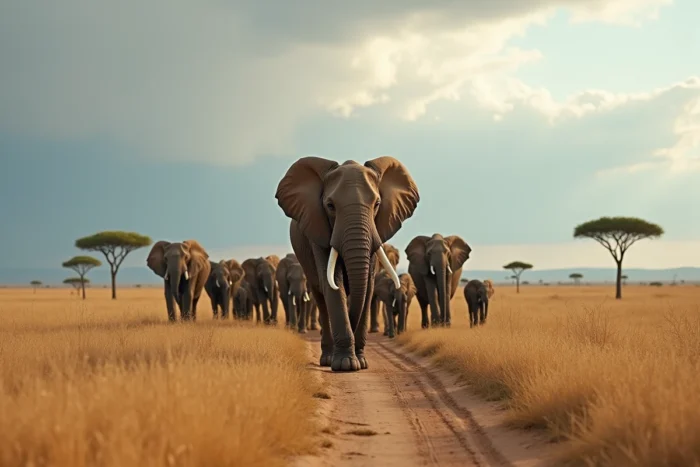
On an international scale, the IUCN (International Union for Conservation of Nature) published an update to its red list in July 2026. Species as varied as desert frogs and deep-sea mollusks are included, reminding us that the biodiversity crisis is not limited to iconic large mammals.
Combatting Animal Cruelty: New Measures Announced
On the political front, Minister Sébastien Lecornu announced measures aimed at intensifying the fight against animal cruelty. This issue, long confined to activist associations, is now gaining increasing prominence on the government agenda.
The Animalist Party, for its part, continues to advocate for specific legislative proposals. Whether one agrees with their program or not, their rising visibility reflects a societal movement: animal welfare has become a political issue in its own right.
Zoos and Aquariums: Technology and Conservation at the Same Counter
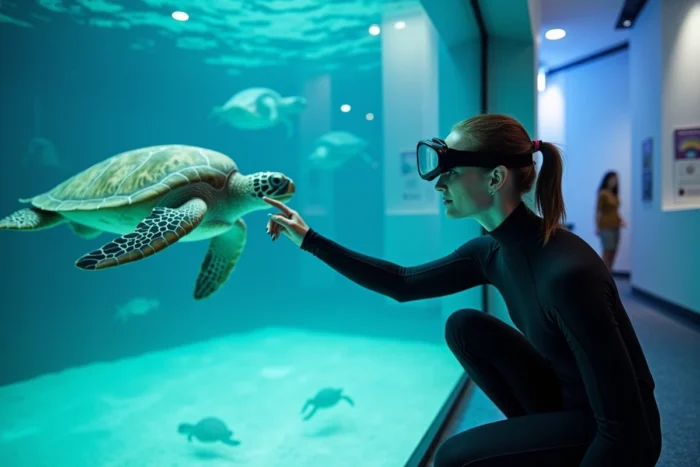
Zoos are transforming. The dominant trend in 2026 is no longer simple exhibition, but the integration of so-called “smart venue” technologies: environmental sensors in enclosures, behavioral tracking via cameras, enhanced visitor pathways.
Why this shift? Because visitors now expect an educational and scientific dimension. A zoo that showcases animals without explaining conservation issues loses attractiveness.
- The AZA SAFE (Saving Animals From Extinction) program structures cooperation among North American zoos for the survival of endangered species
- In France, zoos are investing in immersive habitats, such as the African Shorelines project at the Dallas Zoo, which is a reference in the sector
- Aquariums are organizing conferences on their role in ocean protection, going beyond mere entertainment
Zoos are becoming direct players in conservation research, not just showcases. This repositioning also alters their economic model: visitors are willing to pay more for an experience perceived as engaged.
The animal world in 2026 can be viewed through three lenses: regulatory, economic, and climatic. The ESOD raises questions about coexistence with wildlife. The pet market is absorbing the backlash from mass adoptions. And biodiversity is experiencing the tangible effects of warming. These three dynamics converge towards a shared demand for responsibility, whether one is a legislator, a pet owner, or a simple observer.