
Current fashion trends are no longer found in just one magazine or on a single Instagram account. They circulate simultaneously across visual platforms, predictive reports, and real-time street style feeds. Knowing where to look, and especially how to filter out the noise, makes the difference between a trendy look and a collection of already outdated pieces.
Predictive Reports from Visual Platforms: Fashion Forecasting Before the Press
Search and pinning data on Pinterest or viewing data on TikTok now serve as forecasting tools used by the brands themselves. These reports identify spikes in queries about cuts, colors, or piece combinations several months before they appear in traditional editorials.
We observe that the signals captured by these platforms are more granular than the trends announced at fashion week. A spike in searches for low-rise cargo pants or a butter yellow palette often precedes press coverage by two to three months. For those wanting a look ahead of the curve, directly consulting Pinterest’s annual reports (Pinterest Predicts) or TikTok’s trend dashboards provides a clear advantage over simply reading compilation articles.
Finding current trends on Mode in Paris allows access to a pre-sorted summary of these signals, without having to cross-reference data from multiple sources yourself.
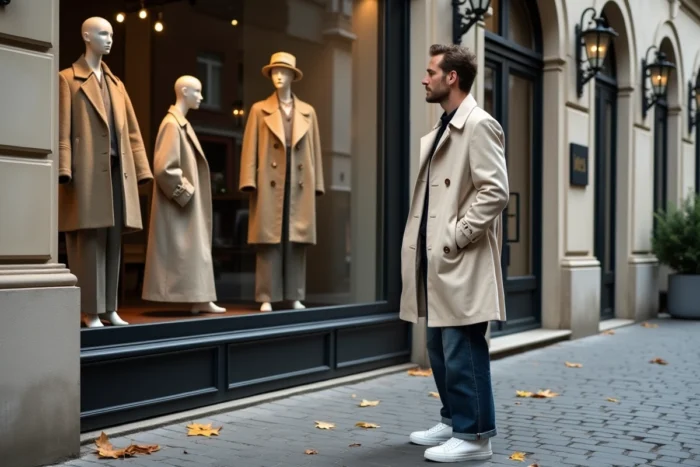
Street Style on TikTok and Instagram Reels: Spotting What’s Actually Worn
Fashion trends captured on the street through Reels and short videos show what people are actually wearing, not what brands want to sell. The difference is structural: street style content reflects the real adoption of a piece, not its marketing projection.
TikTok acts as a radar for micro-trends. A style can emerge within days around a hashtag, then stabilize or disappear. The filtering happens by observing recurrence: a piece seen in five major cities within two weeks is more likely to last than an isolated viral look.
Filtering Ephemeral Micro-Trends
We recommend systematically cross-referencing what appears on TikTok with selections from specialized street style accounts on Instagram. If a cut or color combination appears in both ecosystems, it has crossed the threshold of a fleeting trend. Accounts that photograph looks at the exits of fashion shows or in the fashion districts of Paris, Milan, or Copenhagen remain the most reliable filters.
- Check geographical recurrence: a trend visible in Paris and Seoul simultaneously has a stronger potential for durability than a localized phenomenon
- Favor content creators who showcase their outfits in real contexts (commuting, office, outings) rather than posts sponsored by a single brand
- Monitor hashtags associated with cuts and materials, not just brands, to spot underlying movements
Second-Hand and Thrift Stores: The Sustainable Fashion Trend Redefining the Trendy Look
The French law on fast fashion introduces an ecological penalty starting September 1, 2026, with financial penalties per garment. This mechanism will increase the cost of ultra-cheap pieces from very low-priced platforms. Meanwhile, thrift stores and second-hand platforms are becoming trend sources in their own right.
This shift changes how to build a trendy look. Searching for a trendy piece in a thrift store requires knowledge of the sought-after cuts and materials, not just the brand. Barrel jeans, oversized sweaters, colorful short jackets: these pieces already exist in volume in the second-hand market. Finding them requires a trained eye for silhouettes rather than just a simple catalog reading.
Building a Trendy Wardrobe with Second-Hand Pieces
The most effective approach is to first identify the key silhouettes of the season (loose cuts, defined waists, midi lengths), then search for these shapes on resale platforms. Vinted, Vestiaire Collective, or local consignment shops offer a sufficiently large stock to find pieces that match current trends without buying new.
Color Combinations and Seasonal Palettes: Reading Women’s Fashion Signals
Color combinations are one of the most visible markers of an up-to-date look. For spring-summer, we observe a dominance of warm shades (butter yellow, terracotta) paired with neutrals (beige, off-white). These combinations are easily spotted in selections from specialized fashion blogs and in lookbooks from ready-to-wear brands.
Mastering two or three color combinations is enough to give seasonal coherence to an existing wardrobe. Adding an accessory in the trendy color (bag, belt, scarf) to a basic outfit creates an immediate update effect without renewing the entire wardrobe.
- Butter yellow paired with raw denim or white: a key combination spotted in spring-summer selections
- Total beige look with a structured piece (blazer, short trench) for a chic style without overload
- Neon colors as a unique touch on a neutral base, directly inspired by streetwear and the return of Y2K aesthetics
Palettes change each season, but the method remains the same: spot the two or three colors that recur on street style accounts, in Pinterest reports, and on editorial sites, then integrate them in small touches. A trendy look relies less on the accumulation of new pieces than on the ability to read signals and adapt an already established wardrobe.